Maker Space
Maker Space

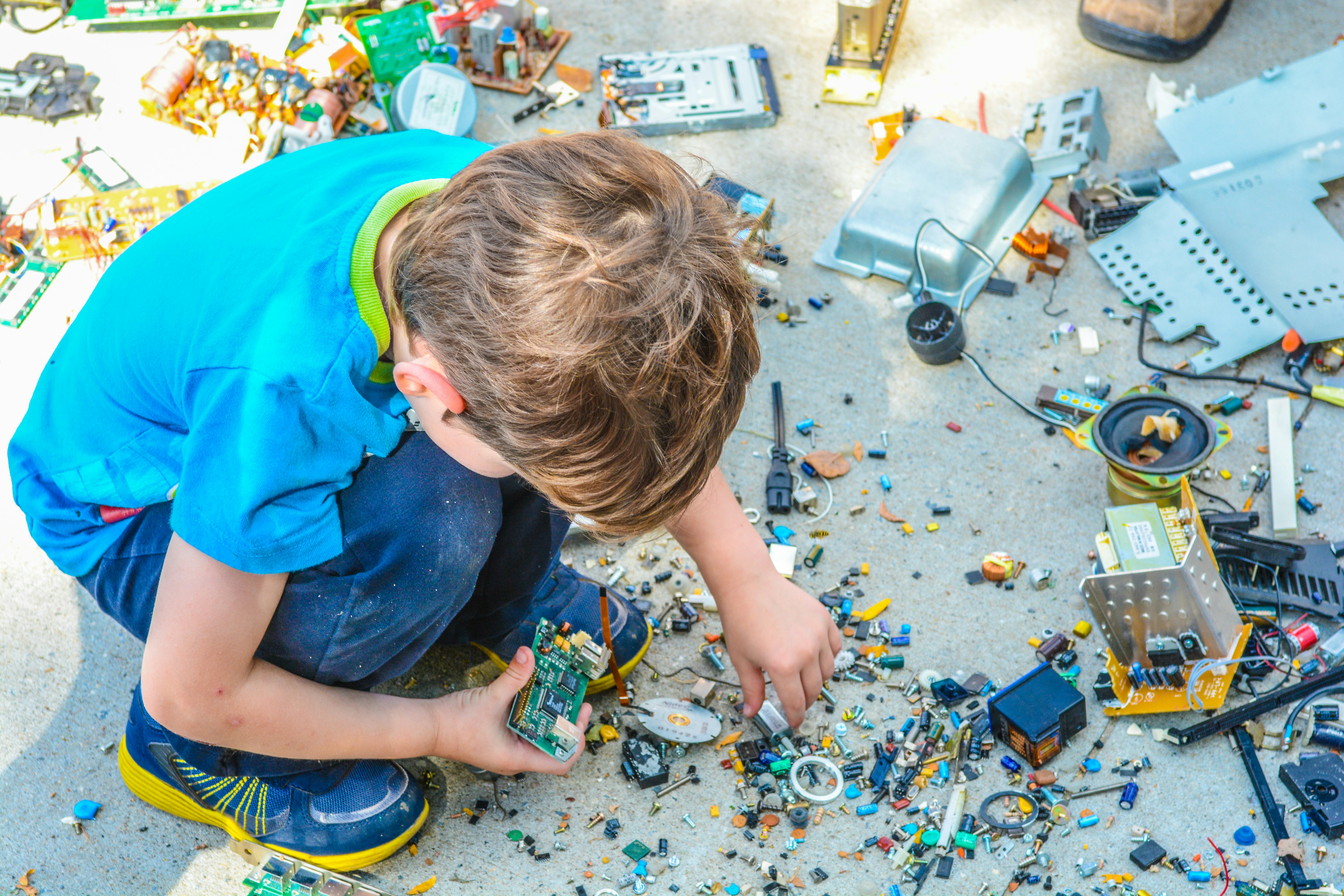
Some of the most important learning at Meraki happens with sleeves rolled up. Our Maker Space is a studio for building, testing, and trying again—a place where students move from imagination to action. They sketch ideas, gather materials, and learn what it means to bring something into the world: a working model, a piece of art, a simple machine, a sewn project, a cardboard city, a painted backdrop, a prototype that almost works… and then works better the next day. With tools, textures, and real constraints, students begin to understand how things are made—and how their own choices shape the outcome.
Some of the most important learning at Meraki happens with sleeves rolled up. Our Maker Space is a studio for building, testing, and trying again—a place where students move from imagination to action. They sketch ideas, gather materials, and learn what it means to bring something into the world: a working model, a piece of art, a simple machine, a sewn project, a cardboard city, a painted backdrop, a prototype that almost works… and then works better the next day. With tools, textures, and real constraints, students begin to understand how things are made—and how their own choices shape the outcome.
Some of the most important learning at Meraki happens with sleeves rolled up. Our Maker Space is a studio for building, testing, and trying again—a place where students move from imagination to action. They sketch ideas, gather materials, and learn what it means to bring something into the world: a working model, a piece of art, a simple machine, a sewn project, a cardboard city, a painted backdrop, a prototype that almost works… and then works better the next day. With tools, textures, and real constraints, students begin to understand how things are made—and how their own choices shape the outcome.
We treat making as a way of thinking. The Maker Space teaches patience, attention, and courage in small doses: measure twice, cut once; take a breath, start again; ask for help, offer help. Students learn to plan and problem-solve, but they also learn to tolerate the messy middle—when an idea is still fragile, when a project fails, when the fix isn’t obvious yet. Over time, they build a quiet confidence that doesn’t come from getting everything right, but from knowing they can work through what’s hard.
And because making isn’t only about function, the Maker Space leaves room for beauty. Students paint, design, sculpt, craft, and tell stories through what they create. These projects spark imagination, strengthen fine-motor skills, and deepen self-expression—while also teaching collaboration, feedback, and follow-through. Every maker experience is chosen with intention: sometimes it extends what we’re learning in class, sometimes it opens a new door entirely. But it always builds the same foundation—resourcefulness, creativity, and pride in real work—because some lessons are learned best when a child can hold them in their hands.
We treat making as a way of thinking. The Maker Space teaches patience, attention, and courage in small doses: measure twice, cut once; take a breath, start again; ask for help, offer help. Students learn to plan and problem-solve, but they also learn to tolerate the messy middle—when an idea is still fragile, when a project fails, when the fix isn’t obvious yet. Over time, they build a quiet confidence that doesn’t come from getting everything right, but from knowing they can work through what’s hard.
And because making isn’t only about function, the Maker Space leaves room for beauty. Students paint, design, sculpt, craft, and tell stories through what they create. These projects spark imagination, strengthen fine-motor skills, and deepen self-expression—while also teaching collaboration, feedback, and follow-through. Every maker experience is chosen with intention: sometimes it extends what we’re learning in class, sometimes it opens a new door entirely. But it always builds the same foundation—resourcefulness, creativity, and pride in real work—because some lessons are learned best when a child can hold them in their hands.